The Engineering Behind the “Lived-In” Look
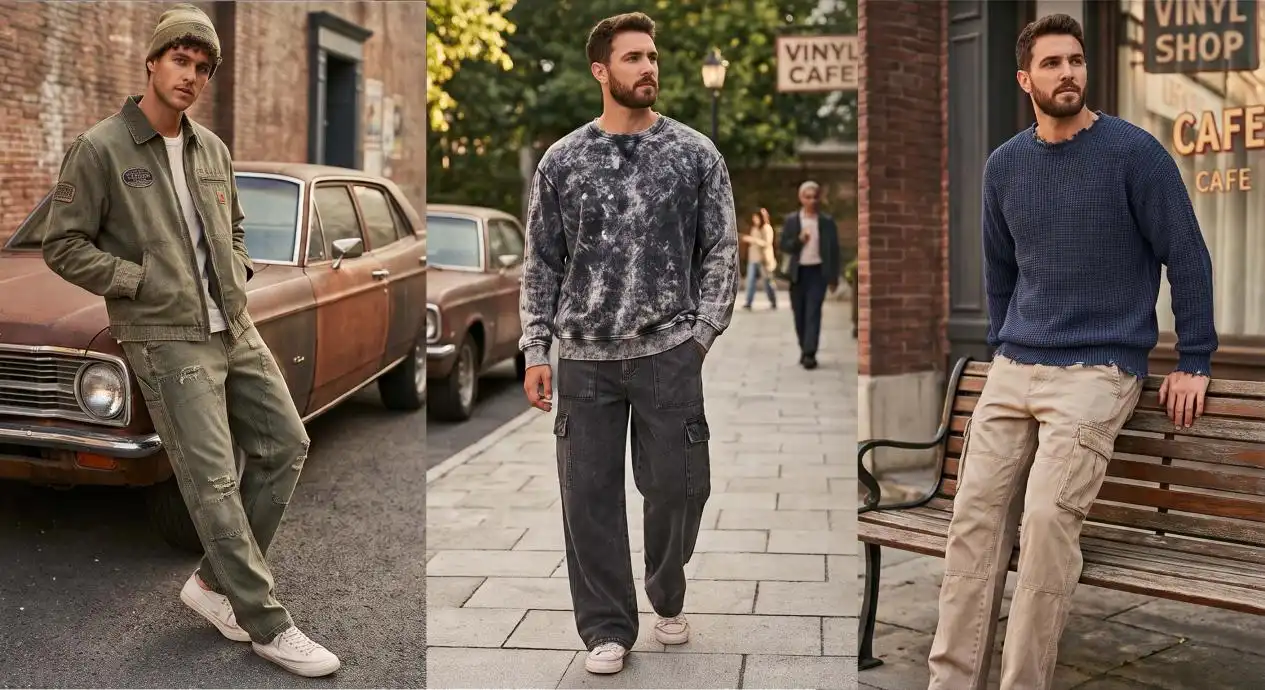
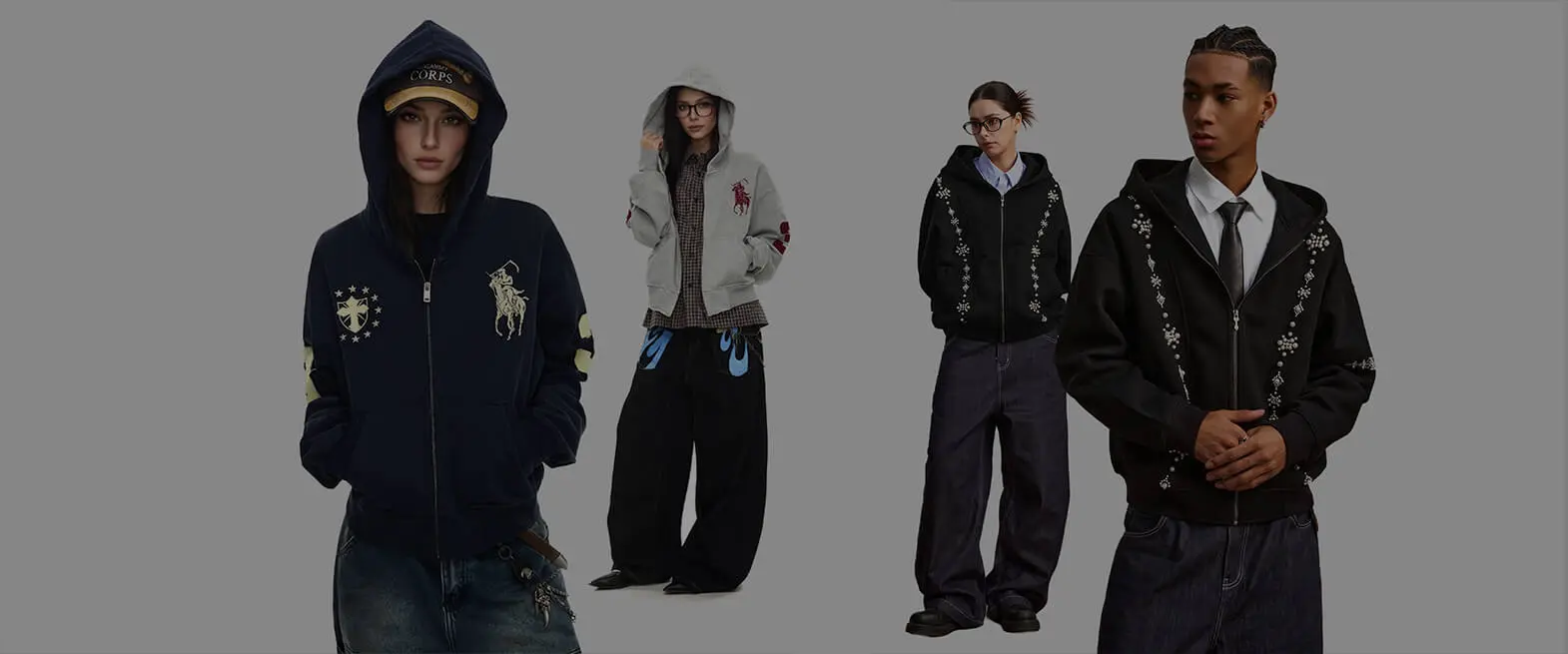
The vintage, distressed aesthetic remains a cornerstone of modern high-end streetwear. From sun-faded hoodies to chalky, textured tees, consumers willingly pay a premium for garments that carry authentic character and an ultra-soft hand-feel right off the rack.
However, achieving high-grade vintage finishes requires far more than tossing sewn garments into an industrial wash drum. Inconsistent wash lots, destroyed ribbings, uncontrolled dimensional shrinkage, and fabric degradation are constant headaches for overseas procurement teams.
Here is a technical comparison of the three primary vintage wash methods—Garment Dyeing, Acid/Mineral Washing, and Cold Pigment Dyeing—along with the precise factory safeguards required to produce them at scale.
1. Technical Comparison: The Three Core Vintage Finishes
| Wash Process | Mechanism & Chemistry | Visual Result | Hand-Feel & Texture | Shrinkage Risk |
| Garment Dye (Piece Dye) | Reactive/direct dye applied to sewn white (PFD) blanks at high temperatures | Clean, uniform, rich base color; subtle highs & lows on seams | Exceptionally soft, broken-in, relaxed drape | Low post-wash (fully pre-shrunk in production) |
| Acid Wash (Snow / Mineral Wash) | Pumice stones soaked in oxidizing agent (potassium permanganate/bleach) tumbled with dyed garments | High-contrast marble effect; aggressive highlights along edges | Dry vintage grain; requires silicone softening | Medium-High (potential fiber damage if over-oxidized) |
| Cold Pigment Dye (Oil / Sun-Wash) | Insoluble pigment coated onto fabric surface without high heat, followed by enzyme washing | Chalky, faded surface with deep contrast in seams; raw “sun-bleached” look | Crisp, dry vintage hand; develops patina with wear | Low (processed under ambient/mild wash temperatures) |

2. Deep Dive: Selecting the Right Process for Your Drop
A. Reactive Garment Dyeing (The Foundation of Modern Luxury Basics)
How It Works: Rather than cutting and sewing with pre-dyed fabric rolls, garments are cut from Prepared-for-Dye (PFD) raw white cotton and dyed as finished pieces.
Aesthetic Advantage: It delivers a completely unified tone across the body fabric, heavy ribbings, drawcords, and 100% cotton sewing threads. The seams absorb slightly more dye, creating natural micro-shading without looking artificially distressed.
Key Use Case: Minimalist luxury hoodies (400–500 GSM), heavyweight everyday tees, and tonal sweatpants where subtle sophistication is preferred over dramatic marbling.
B. Acid & Mineral Washing (Maximum Graphic Texture)
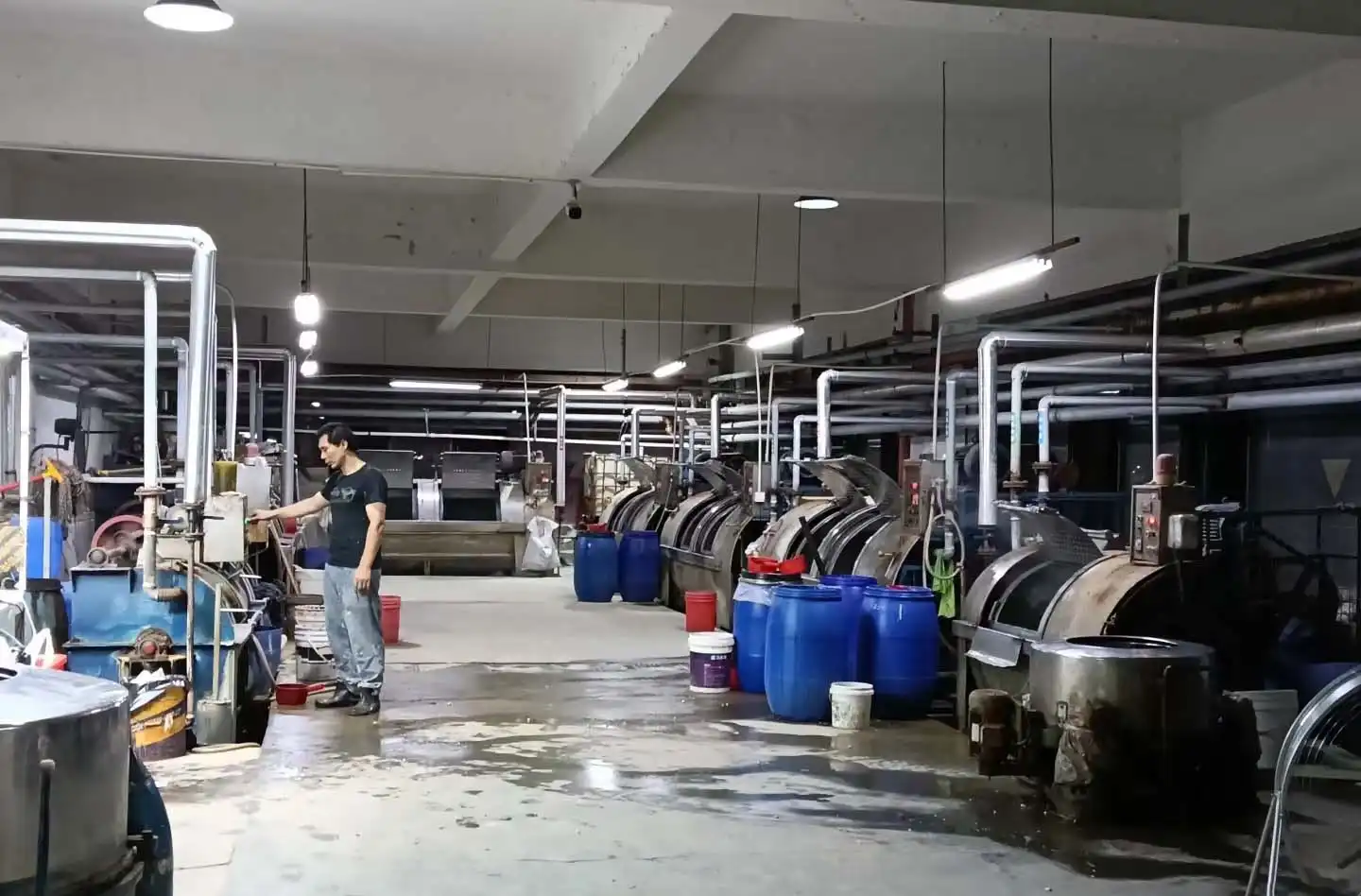
How It Works: Dry or semi-damp pumice stones saturated with chemical oxidizing agents abrade the outer layer of dyed cotton fibers.
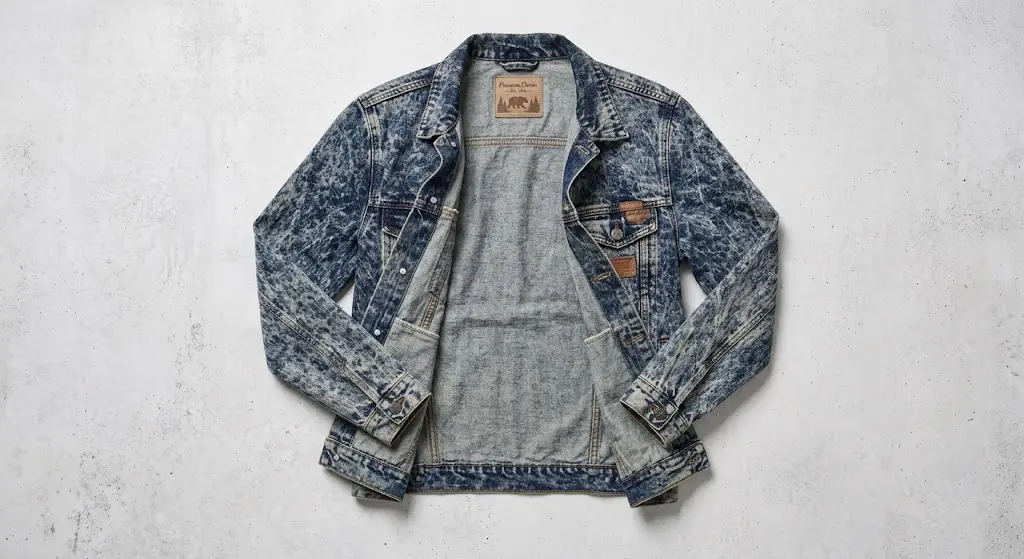
Aesthetic Advantage: It generates irregular, high-contrast streaks and marbling that cannot be replicated by surface printing. It instantly transforms basic jersey or loopback fleece into a statement visual piece.
Key Use Case: Vintage band-style oversized tees, retro skatewear, and grunge-inspired zip-up hoodies.
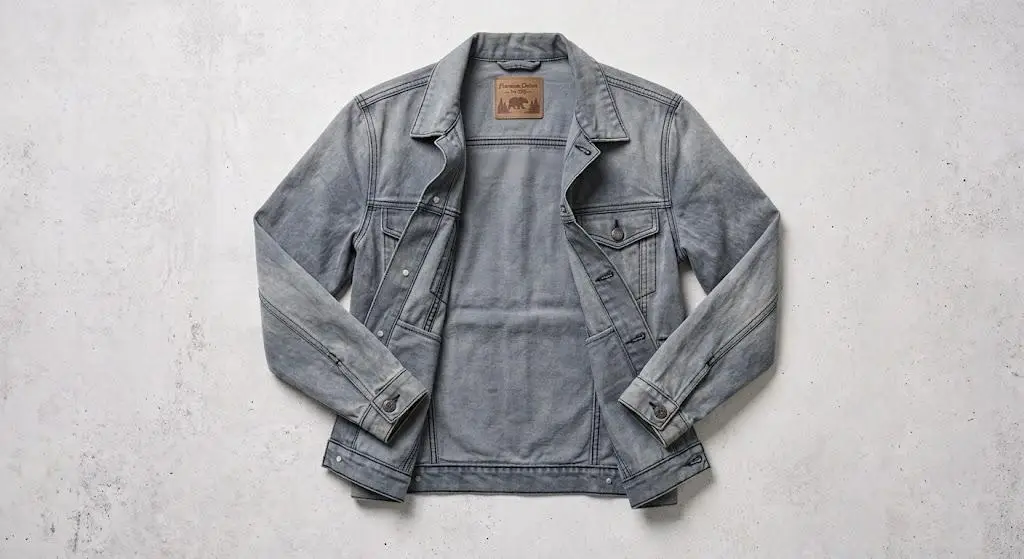
C. Cold Pigment Wash (The Dusty, High-Low Patina)
How It Works: Pigments adhere mechanically to the fiber exterior rather than chemically bonding inside the core. A subsequent bio-enzyme wash strips away surface pigment from exposed flat areas while leaving concentrated deposits in stitch lines, seams, and pocket welts.
Aesthetic Advantage: Creates an authentic “desert-faded” or “garage-worked” patina with pronounced seam contrast.
Key Use Case: Workwear-inspired chore jackets, heavy drop-shoulder crewnecks, and wide-leg utility cargo pants.
3. Factory Execution: How to Prevent Wash Disasters
Overseas buyers frequently encounter severe defects when contracting wash processes with inexperienced factories. Sourcing with precision requires strict technical parameters:
PFD Shrinkage Calibration: Garment dyeing and industrial washing cause garments to shrink between 6% and 12% in the wash drum.
Factory Safeguard: Patterns cannot be cut using standard finished size specs. We calculate individual shrinkage ratios per fabric roll and grade oversized PFD patterns so the finished garment shrinks precisely into the target Tech Pack specs after tumbling.
100% Cotton Stitching Requirement: Standard polyester sewing thread will not absorb cotton reactive or pigment dyes, resulting in jarring bright white seams on a dark washed hoodie.
Factory Safeguard: All garment-dyed and pigment-washed orders are sewn exclusively with 100% long-staple cotton thread or specialized dye-receptive core thread.
Protecting Fiber Tensile Strength: Over-bleaching or aggressive acid washing breaks down cellulose fibers, leading to small holes at stress points (pocket corners, necklines, cuffs).
Factory Safeguard: We employ automated pH-neutralization rinses, bio-polishing enzyme baths, and precise chemical dosing timers to retain standard tensile strength and abrasion resistance (Grade 4+).
Scale Your Vintage Wash Programs with Bespoke
Executing high-contrast washes and garment-dyed collections demands tight coordination between the cutting room, sewing floor, and wash house.
At Bespoke, we manage the full custom washing pipeline—from calibrated PFD pattern engineering and custom lab-dip formulation to specialized enzyme washes, acid treatments, and final pre-shrunk bulk production.